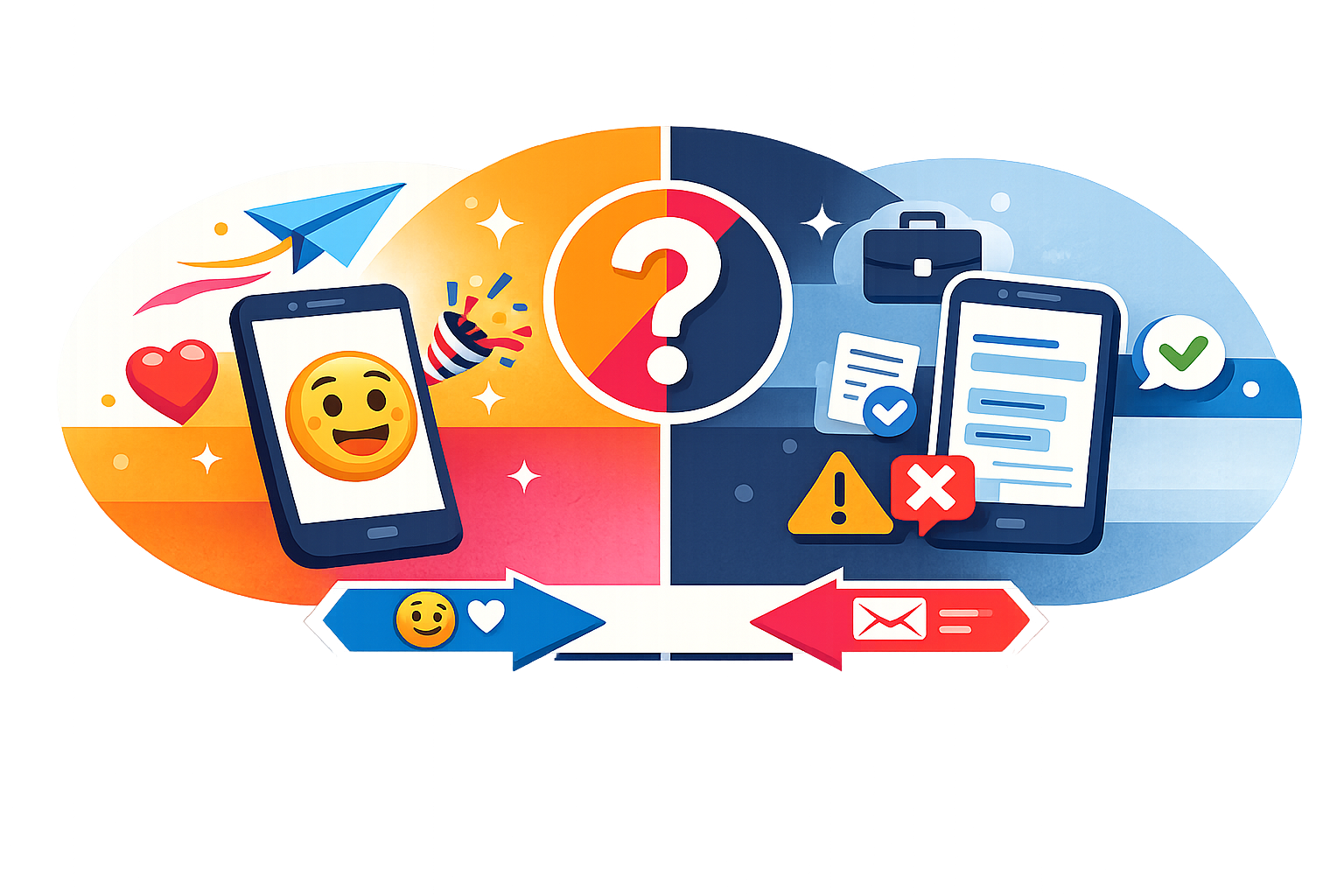
In the world of SMS marketing, every character counts. With limited space to convey your message, the question of whether to include emojis in your text campaigns has become increasingly relevant. Should you embrace these colorful symbols to add personality and visual appeal, or stick with plain text for a more professional approach? The answer, like most marketing decisions, depends on your audience, brand, and campaign objectives.
The Case for Using Emojis
Emojis have become a universal language in digital communication. When used strategically, they can significantly enhance your SMS campaigns in several ways.
Increased engagement and open rates. Studies have shown that text messages containing emojis can see higher open and response rates compared to plain text. The visual element helps your message stand out in a crowded inbox, catching the recipient’s eye and encouraging them to read further.
Emotional connection and tone. Emojis add warmth and personality to your messages, helping convey emotion and tone that can be difficult to express in plain text. A simple smiley face or heart emoji can make your brand feel more approachable and human, strengthening the connection with your audience.
Space efficiency. In SMS marketing where character limits matter, a single emoji can replace several words. Instead of writing “exciting news,” a party popper emoji conveys the same enthusiasm while saving precious characters for your actual message.
Visual breaks and readability. Emojis can serve as visual separators in your text, making longer messages easier to scan and digest. They create natural pause points that guide readers through your content.
The Case Against Using Emojis
While emojis offer clear advantages, there are legitimate reasons to approach them cautiously or avoid them altogether.
Brand alignment and professionalism. For certain industries like financial services, legal firms, or healthcare providers, emojis may undermine your professional image. Your brand identity should guide whether emojis feel appropriate or out of place.
Audience preferences. Not all demographics respond equally well to emojis. Older audiences or more conservative customer bases may find them unprofessional or confusing. Understanding your specific audience is crucial before incorporating emojis into your strategy.
Rendering issues. Different devices and carriers may display emojis differently, or not at all. What appears as a colorful symbol on your phone might show up as a blank box or question mark for your recipient, potentially confusing your message or making it appear broken.
Misinterpretation risks. Emojis can mean different things to different people or across cultures. What seems friendly to you might be interpreted differently by your recipient, leading to unintended miscommunication.
Finding Your Emoji Strategy
Rather than taking an all-or-nothing approach, consider these guidelines for incorporating emojis effectively:
Test and measure. Run A/B tests comparing messages with and without emojis to see what resonates with your specific audience. Track open rates, click-through rates, and conversion metrics to make data-driven decisions.
Use sparingly. One or two well-placed emojis can enhance your message, but overusing them can make your text appear unprofessional or difficult to read. Less is often more.
Stay relevant. Choose emojis that directly relate to your message content. A pizza emoji makes sense for a restaurant promotion, but random symbols can confuse or distract from your core message.
Consider context. Emojis work well for casual promotions, flash sales, and customer appreciation messages. They’re generally less appropriate for transactional messages, account alerts, or sensitive communications.
Know your brand voice. If your brand is playful and energetic, emojis might be a natural fit. If you’re positioning yourself as serious and authoritative, they might detract from your message.
The Bottom Line
The decision to use emojis in your SMS campaigns isn’t binary. The most successful marketers take a nuanced approach, using emojis strategically when they enhance the message and align with brand identity and audience expectations.
Start by understanding your customers through testing and feedback. Pay attention to industry benchmarks and your own campaign analytics. When in doubt, test both approaches and let the data guide your decision. The goal isn’t to follow trends blindly, but to communicate effectively with your audience in a way that drives engagement and achieves your marketing objectives.
Remember, SMS marketing is about building relationships and providing value. Whether you choose to include emojis or not, your focus should remain on crafting clear, compelling messages that resonate with your audience and inspire action.
Ready to Optimize Your SMS Campaigns?
Whether you’re team emoji or prefer keeping it classic, Mobiniti’s SMS marketing platform gives you the tools to test, measure, and refine your messaging strategy. Our intuitive platform makes it easy to segment your audience, run A/B tests, and track campaign performance so you can discover what works best for your business.
Start creating SMS campaigns that convert. Contact us today to learn how Mobiniti can help you reach your customers effectively and drive real results.